
Cargo
Cargo is a CDP for sales teams, providing access to qualified accounts.
Introduction
Cargo is a modern CDP (Customer Data Platform) specifically designed for sales teams. It serves as a revenue architecture that enables sales reps to access qualified accounts in large quantities.
What stands out?
Segmentation: Efficiently segment leads based on various criteria.
Enrichment: Enhance lead information by gathering data from multiple sources.
Lead Scoring: Assign scores to leads to prioritize and focus on high-quality prospects.
Lead Assignment: Distribute leads to sales reps based on territories or expertise.
Orchestration: Automate revenue operations and workflows.
Data Integration: Connect and control all tools and data in one place.
AI-powered Sales Copilot: Generate sales notes at scale for meaningful conversations with prospects.
Frequently Asked Questions
What is Cargo?
How to use Cargo?
Do I need to have a data warehouse to use Cargo?
Do I need to code stuff to use Cargo?
How could I use AI within Cargo?
What if there are tools Cargo does not support natively?
More Information
Cargo Company
Cargo Company name: Cargo .
Cargo Login
Cargo Login Link: https://app.getcargo.io
Reviews & Feedback
Share your experience with the community
0.0
Based on 0 reviews
User Comments (0)
Sort Criteria
Order
No reviews yet. Be the first to share your thoughts!
Statistics
Monthly visits
NaN
Saved by users
0
Rating
0.0/ 5.0
Added on
—
Similar Tools

Pixelcut
Easily create stunning product photos and ads with our free online design tool. Remove backgrounds and erase objects effortlessly.

Wondershare
Discover innovative tools for enhancing creativity, productivity, and efficiency with our app. Unleash your potential today!
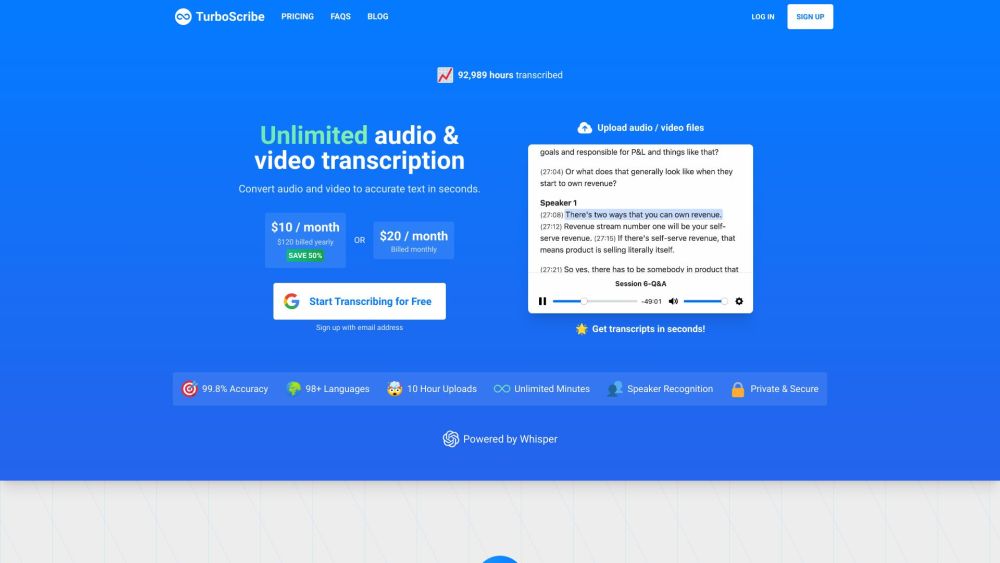
TurboScribe
Unlimited AI transcription with 99.8% accuracy in 98+ languages.

Intercom
Get quicker solutions with Automation and human assistance. Enhance support efficiency for faster issue resolutions.
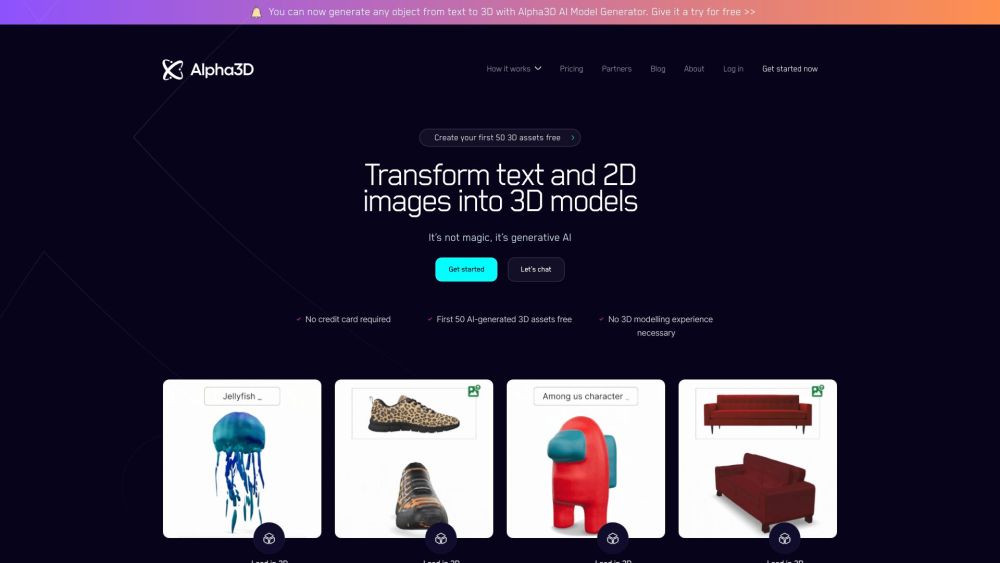
Alpha3D
Transform 2D images into 3D assets with generative AI.
Use Cases
- Scaling Sales: Provide sales reps with qualified leads at scale to maximize their productivity and effectiveness.
- Data Democratization: Abstract the data warehouse to make it user-friendly for non-technical personnel.
- Pipeline Growth: Utilize Cargo as a pipeline growth engine through its Customer Data Platform designed for sales teams.
How to Use
To use Cargo, sales teams can follow these steps: 1. Connect: Integrate all relevant tools and data into one centralized hub. 2. Segment: Easily segment leads based on various criteria such as demographics, behavior, or engagement. 3. Enrich: Enhance lead information by gathering data from different sources. 4. Score: Assign scores to leads based on their quality and likelihood to convert. 5. Assign: Distribute leads to sales reps based on their territories or expertise. 6. Orchestrate: Build automated workflows to streamline revenue operations. 7. Activate: Empower sales reps to focus on selling by automating revenue operations.