
NeuronWriter
NeuronWriter optimizes website content using semantic SEO techniques for better ranking.
Introduction
NeuronWriter is a content optimization tool that utilizes semantic SEO techniques to help improve the performance of website content. It offers a user-friendly and advanced content editor with NLP-based recommendations, Google SERP analysis, and competition data. By optimizing your website content with NeuronWriter, you can create better-ranking content that is highly relevant to user intent.
What stands out?
Content optimization with NLP-based recommendations
Semantic analysis of Google SERPs
AI-powered content generation using GPT-3
Content score monitoring based on key SEO factors
Content ideas and inspiration section
Content planning and management
Easy integration with WordPress, Google Docs, and Shopify
Frequently Asked Questions
What is NeuronWriter?
How to use NeuronWriter?
What is semantic SEO?
How does NeuronWriter optimize content?
Can NeuronWriter help with content planning?
How does NeuronWriter generate content with AI?
More Information
NeuronWriter Company
NeuronWriter Company name: Conti sp. z o.o. . NeuronWriter Company address: Lipska 63, Zamosc, Poland.
NeuronWriter Login
NeuronWriter Login Link: https://app.neuronwriter.com/
NeuronWriter Sign up
NeuronWriter Sign up Link: https://app.neuronwriter.com/ucp/register?redirect_url=/
NeuronWriter Pricing
NeuronWriter Pricing Link: https://www.neuronwriter.com/pricing/
NeuronWriter Facebook
NeuronWriter Facebook Link: https://www.facebook.com/groups/2236022889889002
Reviews & Feedback
Share your experience with the community
0.0
Based on 0 reviews
User Comments (0)
Sort Criteria
Order
No reviews yet. Be the first to share your thoughts!
Statistics
Monthly visits
NaN
Saved by users
0
Rating
0.0/ 5.0
Added on
—
Similar Tools
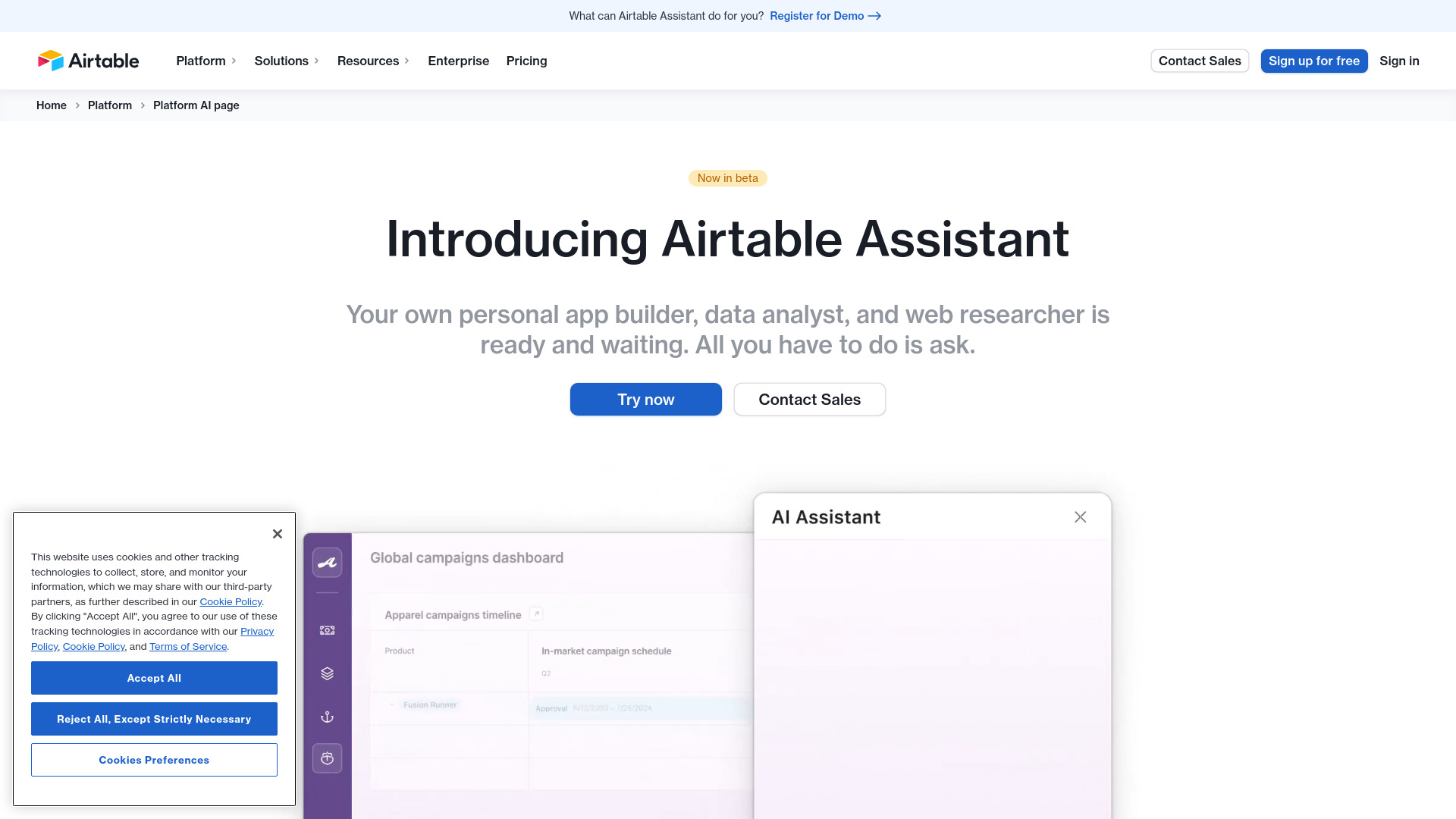
Airtable Assistant
Easily create apps and analyze data with our AI tool, no coding required. Build and analyze without the hassle of programming.
Grok
AI assistant that promotes truth and objectivity with various features.
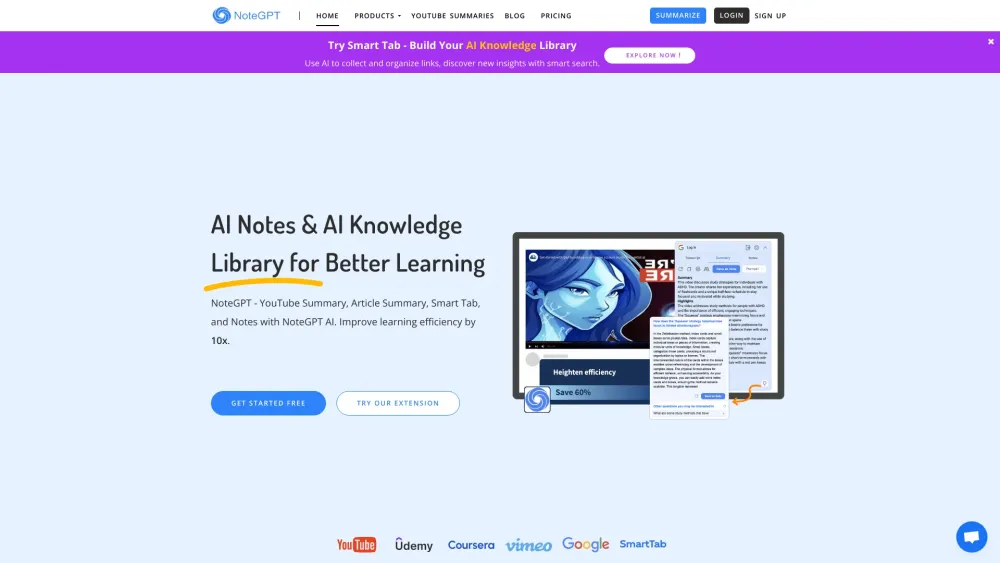
NoteGPT
Summarize videos, articles, and text with AI. Chat with AI assistant. Transcript generator. Automated note-taking. Folder management.

PixAI - AI Art Generator
Create stunning anime art effortlessly.
DeepAI
AI tools for creative people.
Use Cases
- Optimizing website content for improved search engine ranking
- Generating high-quality and relevant content based on user intent
- Planning and organizing content creation process
- Streamlining collaboration between copywriters and supervising teams
- Creating content templates using AI for efficient content production
- Analyzing competitors' top-rated content to inform content strategy
How to Use
1. Start by understanding the user's intent and determine the type of content required (e.g., blog article or category description). 2. Select direct competitors with similar content to increase the quality of semantic recommendations. 3. Plan the document structure based on useful information, combining headers and questions into a cohesive story. 4. Optimize and enrich the content using recommendations based on NLP and SERPs. 5. Use advanced AI templates to accelerate your content creation process and achieve a high content score.