
Obviously AI
No-code AI tool for building and deploying data science models without coding.
Introduction
Obviously AI is a no-code AI tool that allows users to rapidly build and deploy data science models without any coding. It provides a single-click solution for running data science processes, including building machine learning algorithms, explaining results, and predicting outcomes. With Obviously AI, users can turn raw data into industry-leading predictive models in minutes instead of months.
What stands out?
Build AI models in minutes
One-click deployment to production
Automated model monitoring with if-this-then-that automations
Real-time REST APIs for integrating AI into apps or visualizing prediction data
24x7 access to a dedicated data scientist for assistance with data merging, enrichment, cleaning, etc.
Frequently Asked Questions
What is Obviously AI?
How to use Obviously AI?
What is Obviously AI?
How do I use Obviously AI?
What are the core features of Obviously AI?
What are some use cases for Obviously AI?
More Information
Obviously AI Support Email & Customer service contact & Refund contact etc.
More Contact, visit the contact us page(https://www.obviously.ai/contact-us)
Obviously AI Company
Obviously AI Company name: Obviously AI, Inc. . More about Obviously AI, Please visit the about us page(https://www.obviously.ai/about-us).
Obviously AI Login
Obviously AI Login Link: https://app.obviously.ai/login
Obviously AI Pricing
Obviously AI Pricing Link: https://www.obviously.ai/pricing
Obviously AI Linkedin
Obviously AI Linkedin Link: https://www.linkedin.com/company/obviously-ai
Obviously AI Twitter
Obviously AI Twitter Link: https://twitter.com/obviouslyai
Reviews & Feedback
Share your experience with the community
0.0
Based on 0 reviews
User Comments (0)
Sort Criteria
Order
No reviews yet. Be the first to share your thoughts!
Statistics
Monthly visits
NaN
Saved by users
0
Rating
0.0/ 5.0
Added on
—
Similar Tools

Pixelcut
Easily create stunning product photos and ads with our free online design tool. Remove backgrounds and erase objects effortlessly.

Wondershare
Discover innovative tools for enhancing creativity, productivity, and efficiency with our app. Unleash your potential today!
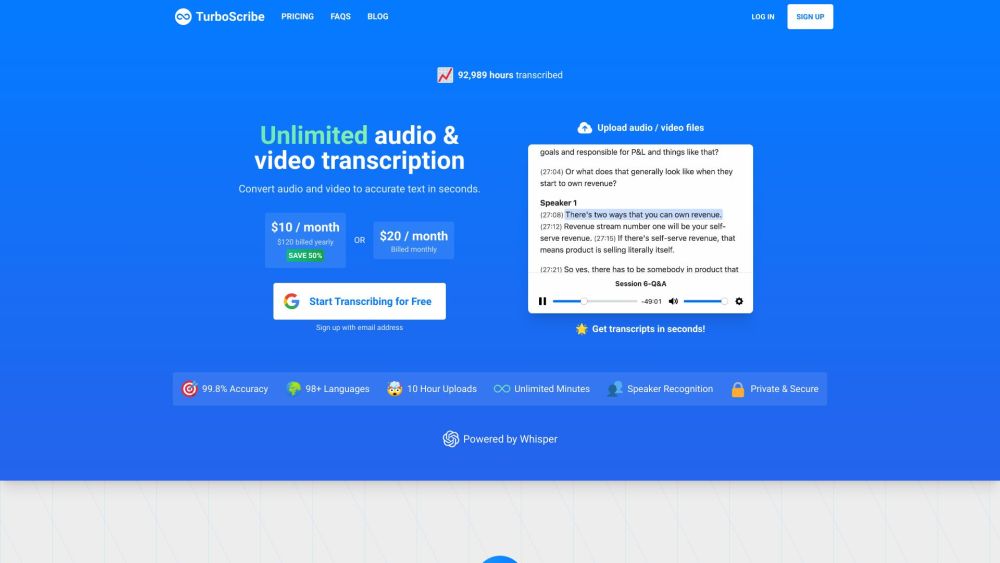
TurboScribe
Unlimited AI transcription with 99.8% accuracy in 98+ languages.
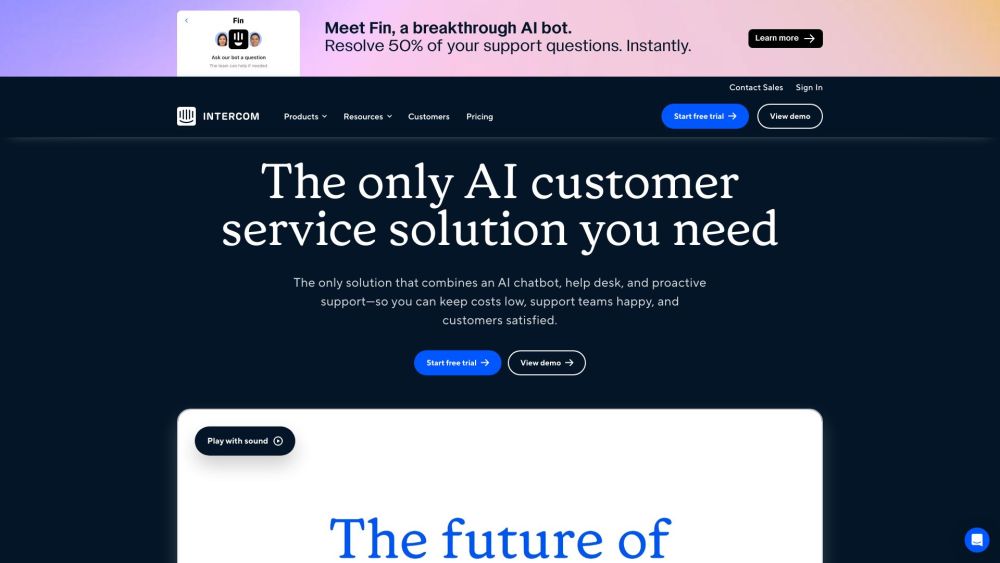
Intercom
Get quicker solutions with Automation and human assistance. Enhance support efficiency for faster issue resolutions.
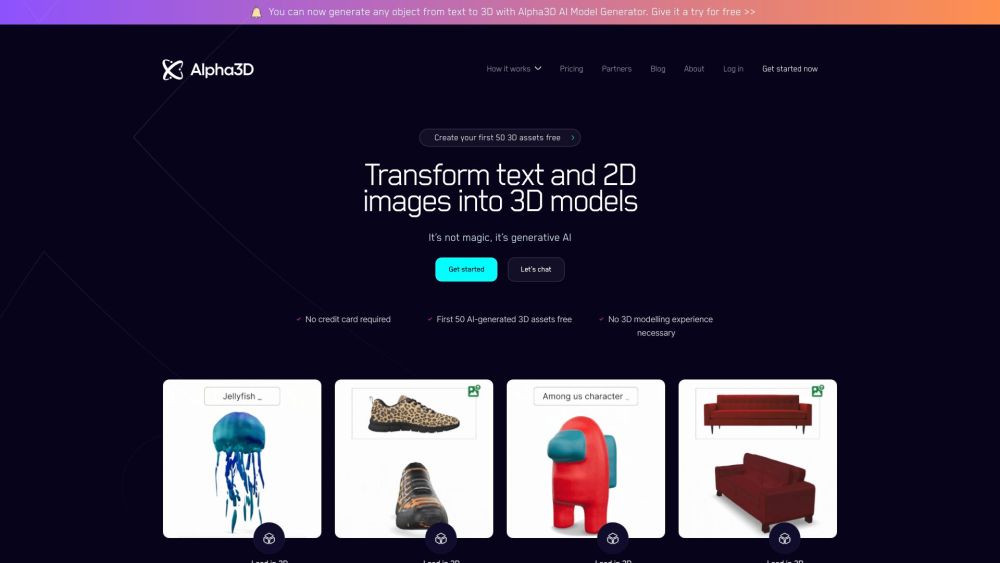
Alpha3D
Transform 2D images into 3D assets with generative AI.
Use Cases
- Churn prediction
- Lead conversion prediction
- Loan repayment prediction
- Fraud detection
- Sales prediction
- Dynamic pricing prediction
- Yield prediction
- Deal size prediction
- Prediction of sales in a specific time period
- Stock price prediction for the next day
How to Use
To use Obviously AI, follow these steps: 1. Sign up on the Obviously AI website. 2. Upload your tabular data and select the target variable. 3. Choose the type of prediction model you want to create (classification, regression, or time series). 4. Click on the 'Build Model' button to generate an AI model based on your data. 5. Explore the results and predictions from the model. 6. If desired, deploy the model with a single click to create web apps or integrate it into your existing tools using real-time REST APIs.